
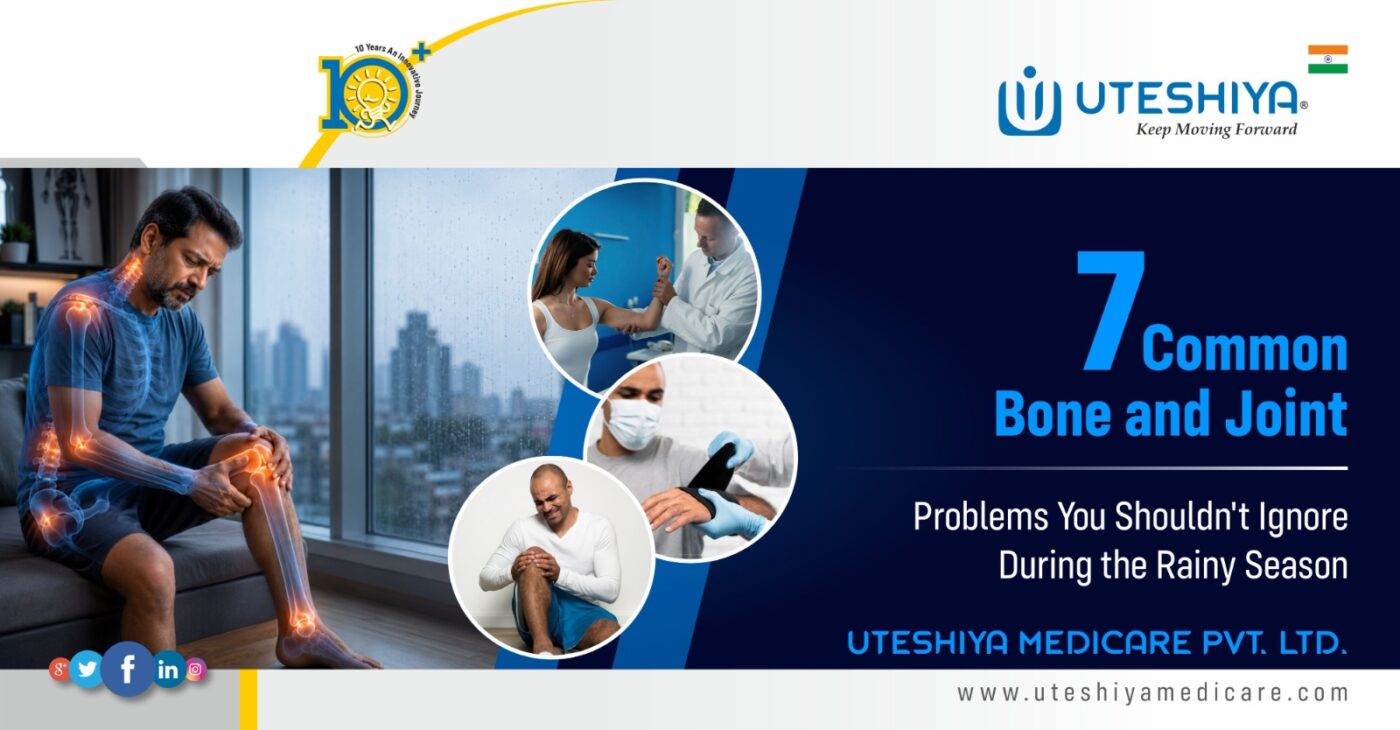
The rainy season brings cooler weather and fresh air, but it can also bring discomfort for people with bone and joint problems. Many people notice that their knees feel stiff, their backs start hurting, or old injuries begin to ache when it rains. While rain itself doesn’t cause these problems, changes in humidity, air pressure, and daily activity can make existing pain feel worse.
Bone and joint conditions are already a major health concern worldwide. According to the World Health Organization (WHO), around 1.71 billion people worldwide live with musculoskeletal conditions, making them the leading cause of disability globally. These conditions include arthritis, back pain, fractures, and other problems affecting the bones, joints, muscles, and spine.
If you notice that your joint pain becomes worse during the rainy season, don’t ignore it. Understanding the possible causes and taking early steps can help you stay active and prevent the problem from becoming more serious.
Why Do Bone and Joint Problems Feel Worse During the Rainy Season?
Many people believe rainy weather directly causes joint pain, but there is no clear proof that rain is the reason. Doctors believe that changes in humidity and air pressure may affect the muscles and tissues around the joints. People also tend to stay indoors more during the rainy season, which means less movement and more stiffness.
If you already have arthritis or an old injury, you may notice these changes more than others.
Here are seven common bone and joint problems that many people experience during the rainy season and what you can do to manage them.
Common Bone and Joint Problems
1. Arthritis
Arthritis is one of the most common reasons people feel more joint pain during the rainy season. The knees, fingers, hips, and shoulders may become stiff, especially in the morning or after sitting for a long time.
Light stretching, short walks, and keeping the joints warm can help reduce stiffness. If the pain continues or swelling becomes worse, it is a good idea to visit an orthopedic doctor.
2. Knee Pain
Many adults experience knee pain during rainy weather, even if they have never been diagnosed with arthritis. Climbing stairs, getting up from a chair, or walking for long periods may become uncomfortable.
Maintaining a healthy weight, doing simple strengthening exercises, and wearing supportive footwear can reduce pressure on the knees. If knee pain starts affecting your daily routine, don’t ignore it.
3. Lower Back Pain
Lower back pain often becomes more noticeable during the monsoon. Spending more time indoors, sitting for long hours, and poor posture can make the problem worse.
Taking short breaks from sitting, stretching every few hours, and using a chair with good back support may help. If the pain spreads to the legs or continues for several weeks, medical advice is recommended.
4. Pain from an Old Injury
People who have had a fracture, ligament injury, or orthopedic surgery sometimes notice pain when the weather changes. In most cases, the pain is mild and goes away after some time.
However, if the pain becomes severe, the area starts swelling, or walking becomes difficult, you should have it checked. A doctor’s examination can help find out whether the pain is linked to the old injury or a new problem.
5. Gout
Gout is a type of arthritis caused by a build-up of uric acid crystals inside the joints. It often affects the big toe but can also affect the ankle, knee, wrist, or elbow.
During an attack, the joint becomes swollen, red, and very painful. Drinking enough water, following a balanced diet, and taking prescribed medicines can help lower the chances of another attack.
6. Tendon and Ligament Pain
Tendons connect muscles to bones, while ligaments connect bones to each other. Repeated movements, sports injuries, or daily wear can cause these tissues to become painful.
People may feel discomfort while bending the knee, lifting the arm, or gripping objects. Rest, gentle stretching, and avoiding activities that increase the pain usually help. If the pain continues for several days, an orthopedic specialist can suggest the right treatment.
7. Neck Pain and Stiffness
Many people spend more time using mobile phones or laptops during the rainy season. Sitting in one position for a long time can lead to neck pain and stiffness.
Simple neck stretches, proper sitting posture, and regular breaks can reduce strain on the neck muscles. If the pain spreads to the shoulders or arms or causes numbness, you should seek medical advice.
Simple Tips to Keep Your Bones and Joints Healthy During the Rainy Season
You don’t need to make big changes to take care of your joints. A few healthy habits can make a difference.
- Stay active, even if you are indoors.
- Stretch for a few minutes every morning.
- Keep your body warm and dry.
- Wear shoes with a good grip to prevent falls.
- Eat foods rich in calcium and vitamin D.
- Drink enough water throughout the day.
- Maintain a healthy body weight.
- Don’t ignore pain that keeps coming back.
When Should You See an Orthopedic Doctor?
Mild pain after a busy day usually gets better with rest. However, you should book an appointment if you notice,
- Joint pain lasting for more than a few days.
- Swelling or redness around a joint.
- Trouble walking or climbing stairs.
- Pain that wakes you up at night.
- Numbness or weakness in the arms or legs.
- Pain after a fall or injury.
Getting treatment early can help prevent the condition from becoming more serious.
Wrapping It Up
The rainy season can make existing bone and joint problems feel more uncomfortable, but that doesn’t mean you have to live with the pain. Paying attention to early symptoms, staying active, and following healthy daily habits can help keep your joints moving comfortably. If the pain becomes frequent or starts affecting your daily activities, don’t wait too long to speak with an orthopedic specialist.
