

Testing a medical device is not limited to checking whether it works. Manufacturers may need to show that the device is safe, performs as intended, can withstand expected conditions, and can be used correctly. The tests required depend on the type of device, its materials, how it is used, whether it contacts the body, and […]
Author Archives: Uteshiya

15
Sep
Sep
A medical device can fail because of a problem that is difficult to see. A small burr left after machining, a slight variation in a part’s thickness, an incorrect component, or a missing inspection record may seem minor during production, but each can affect the finished product. In medical manufacturing, small errors need attention because […]

09
Sep
Sep
A medical device quality system should do more than keep procedures, forms, and records in one place. It should show how a product is designed, made, tested, supplied, monitored, and improved. When a company sells in several countries, the challenge is keeping these activities consistent while still meeting the requirements of each market. This is […]

29
Aug
Aug
A complex fracture can leave the bone in several pieces, change the normal shape of a joint, or affect nearby nerves and blood vessels. In such cases, treatment depends on how well the injury is understood before surgery and how accurately the repair is performed. X-rays and CT scans remain central to fracture care, but […]
18
Aug
Aug
X-rays, CT scans, MRI images, and patient records are used every day to assess orthopedic conditions and plan treatment. New computer-based tools can help doctors review this information, identify certain findings, and prepare for procedures. In orthopedics, these tools are being studied for specific tasks such as fracture detection, joint assessment, implant identification, surgical planning, […]

14
Aug
Aug
Is shoulder stiffness making simple activities like reaching for a shelf or fastening a seatbelt difficult? Frozen shoulder often develops gradually, and many people assume the pain and stiffness will improve on their own. Often, however, the condition can persist for months without proper treatment. Early medical care, along with appropriate exercises, may help reduce […]

10
Aug
Aug
Why do several joints start hurting at the same time? Joint pain that affects more than one area of the body can have many possible causes. While it may begin after an illness or injury, it can also be linked to conditions that need medical attention. Knowing what might be causing the pain can help […]
01
Aug
Aug
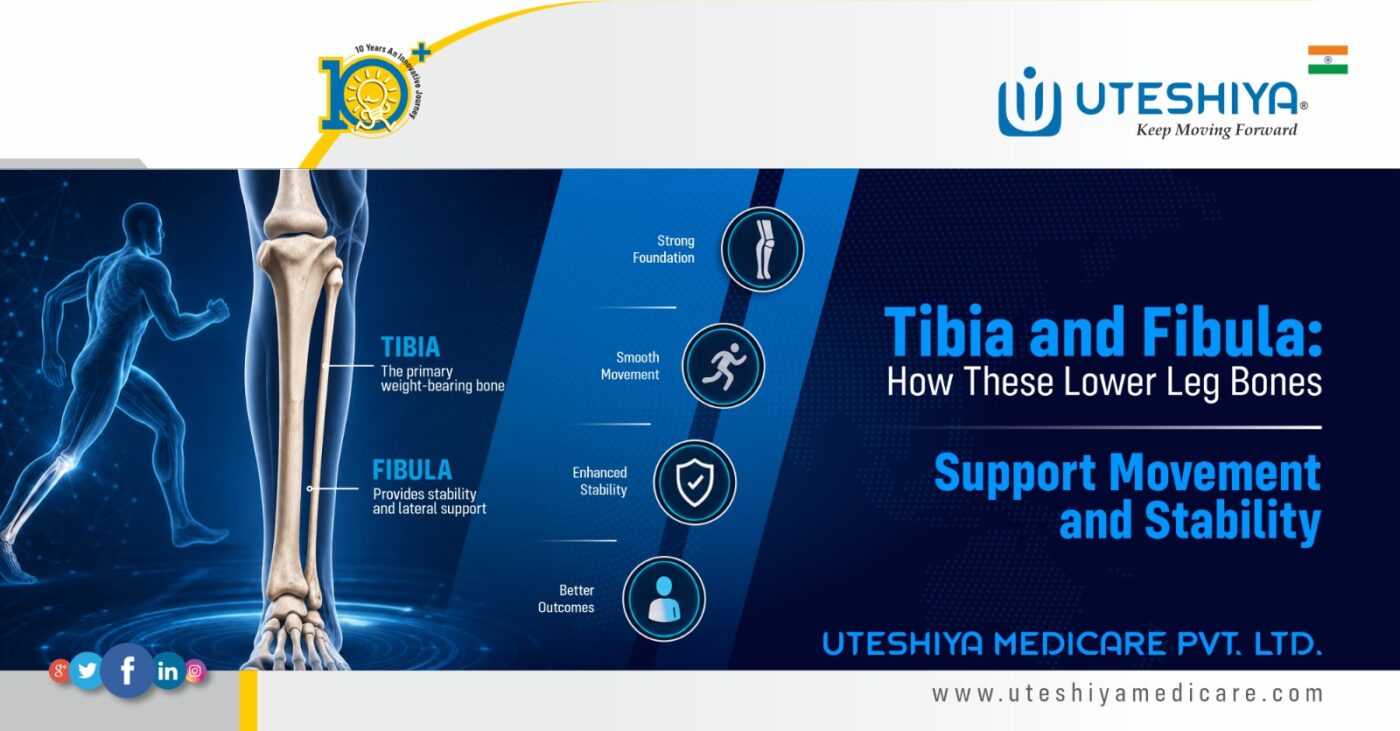
Have you ever wondered why a simple leg injury can make standing, walking, or even balancing so difficult? The answer often lies in two long bones in your lower leg—the tibia and fibula. Although they sit side by side, each has a different role in supporting your body and allowing smooth movement. The tibia is […]
27
Jul
Jul
The rainy season brings cooler weather and fresh air, but it can also bring discomfort for people with bone and joint problems. Many people notice that their knees feel stiff, their backs start hurting, or old injuries begin to ache when it rains. While rain itself doesn’t cause these problems, changes in humidity, air pressure, […]

23
Jul
Jul
Every year, researchers publish hundreds of studies on fracture treatment, but only a few have the potential to change how surgeons treat patients. The research published in 2026 looked at some of the most common questions in orthopedic trauma. Can a different shoulder replacement improve recovery after a complex fracture? Is it safe for patients […]